While we don't have any upcoming events to show at this time, we welcome you to take a look at some of our recently passed events. And remember to check this space in the future for coming events.
-
Calvin Congress 2023
- 9:00 a.m. – 1:00 p.m.
- Tue, July 25, 2023
-
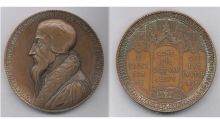
See one of the largest collections of commemorative medals of John Calvin in the world!
- 3:30 – 5:00 p.m.
- Thu, March 23, 2023
- Meeter Center, 4th floor Hekman Library (L415)
-
Visiting Scholar Presentations at the Meeter Center
- 3:00 – 4:30 p.m.
- Tue, July 26, 2022
- Meeter Center
-
Calvin's Trinitarian Theology ~ Meeter Center Presentation
- 3:30 – 4:30 p.m.
- Wed, July 6, 2022
- Meeter Center, 4th Floor Hekman Library
-
Meeter Center summer scholars presentation 1
- 3:00 – 4:30 p.m.
- Wed, June 29, 2022
- Meeter Center, 4th floor Hekman Library
-
Meeter Center 40th Anniversary - Psalmfest
- 7:00 – 9:00 p.m.
- Wed, May 18, 2022
- Calvin Theological Seminary Chapel
-
Meeter Center 40th Anniversary - Lecture: The Genevan Psalms And Their Significance
- 3:30 – 5:00 p.m.
- Wed, May 18, 2022
- Meeter Center Lecture Hall
-
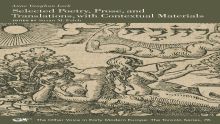
Anne Lock, the Forgotten English Reformer
- 3:30 p.m.
- Thu, December 2, 2021
-
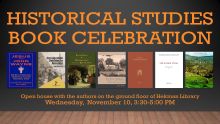
Historical Studies Book Celebration
- 3:30 – 5:00 p.m.
- Wed, November 10, 2021
- Hekman Library, Ground Floor
-
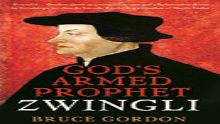
Reformation Conversations Webinar: Bruce Gordon on Huldrych Zwingli
- 1:00 – 2:30 p.m.
- Thu, November 4, 2021
- Full calendar


Find Conferences and Events celebrating the 400th anniversary of the Synod of Dordt »

