The latest
Top pages
Short-term programs
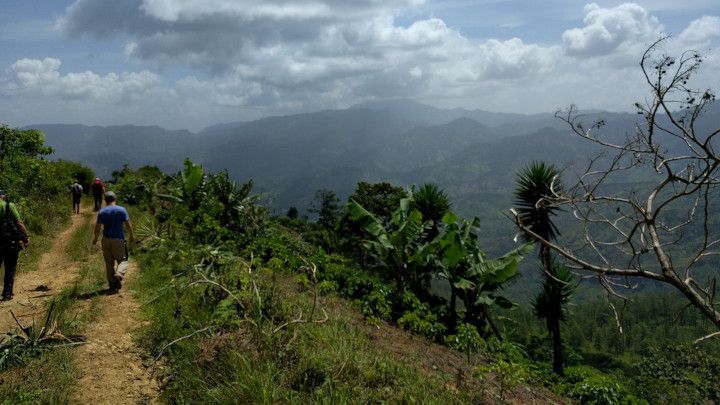
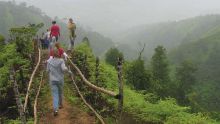
Short-term programs are the perfect opportunity to add some adventure to your course schedule. Study tropical ecosystems in Belize or hike through Costa Rica.
Scholarships and grants
Calvin is ready to partner with you to make your study-abroad dreams a reality. Find financial assistance here.
Application checklists
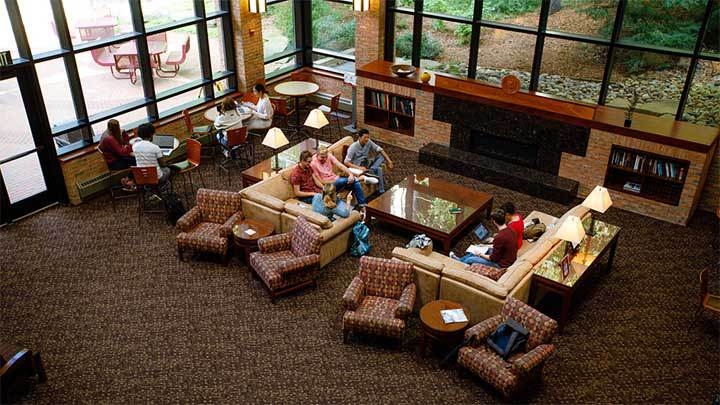
Get all the info you need to apply for any of Calvin's off-campus programs.
There are no announcements at this time.
-
Rerouting and discovering new passions
At Calvin University, Sandra Moeller has discovered new passions and developed her capacity to dream bigger.
News & Stories, March 6, 2024 -
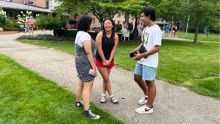
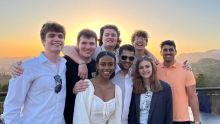
Students share why they chose Calvin University in 2023
The incoming class of 1,150 students is ready to experience year one at Calvin University. Seven students share how they got to Calvin and what they are most looking forward to this year.
News & Stories, August 28, 2023 -
Calvin students equipped to compete on the world's stage
In June, students from Calvin University head to Grenoble, France to compete in a Model UN competition. This past year, the team finished within the top ten of two national competitions featuring Ivy League schools and large state universities.
News & Stories, June 8, 2023 -
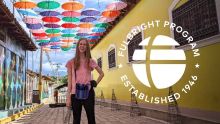
Calvin University Grad Headed to Mexico Through U.S. Fulbright Program
A semester in Honduras was the highlight of Elizabeth Booze's Calvin journey. Now, a few months after she graduates, thanks to receiving a prestigious U.S. Fulbright Student Award, she'll be heading back abroad to teach English as a Second Language.
News & Stories, April 28, 2023 -
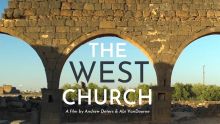
Student documentary helping history come alive
Two Calvin University film and media production students produced "The West Church," a documentary that highlights a partnership in Umm al-Jimal that dates back half a century.
News & Stories, January 10, 2023 -
How a spring break trip altered a Calvin sophomore’s perspective on justice
Sophomore Gisel Espinoza's service-learning trip to Louisiana over spring break equipped her with skills to “act justly” as an agent of renewal.
News & Stories, March 24, 2022 -
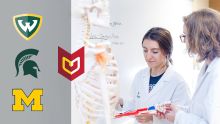
Calvin partnerships pave paths to med school
This fall, Jacob Charron is headed to Michigan State’s College of Human Medicine; Sam Goorman to Wayne State University; and Vanessa Elliott to the University of Michigan. All three are medical school-bound thanks to partnerships through Calvin University.
News & Stories, June 3, 2021 -
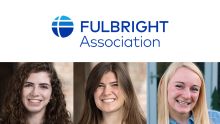
Fulbright Recognizes Three Calvin Students in Record-Breaking Year
The Fulbright U.S. Student Program had a record high number of applicants this year. Three graduating Calvin seniors stood out among the 11,700+ applicants.
News & Stories, May 27, 2021 -
Present in community
Alumna builds on the strengths of neighbors
Spark, June 15, 2016 -
Calvin recognized for number of students studying abroad
Calvin second in "Open Doors Report" from Institute of International Education.
Spark, March 15, 2016

No upcoming events at this time.