| Skip Navigation | |||
|
Alumni Profile • Farah Joseph Apicella '98 and Doug Apicella '01 |
|||||||||||||||
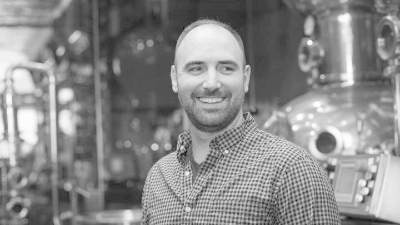
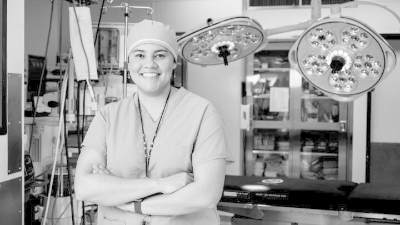
So when it came time to begin feeding their daughter, Rori, solid foods, there was no question that they would make their own baby food—with organic ingredients. “As food people, of course we knew organic was better for us,” Doug said. “But,” Farah added, “it wasn’t until I started researching it that I learned how important it is for babies and toddlers to get as much pesticide-free, additive-free food as possible.” She learned, for example, that concentrations of pesticide residues are six times higher in the blood of children eating conventionally farmed foods than those eating organic foods. And because babies’ bodies contain more water than fat, those pesticides circulate more thoroughly in them than in adults’ bodies. Facts like these are part of a power-point presentation Farah brings to parents considering feeding choices for their children. The best option, she tells them: Buy fresh, local, organic food and prepare it yourself. “There are jarred baby foods that are organic,” Doug said, “but they’re all boiled, and boiling kills everything—including nutrients and taste.” Frozen organic baby food has been selling well in California for about five years, the Apicellas found. But the Midwest, specifically their Chicago area, had only one company making it—until Fresh Family Organics. “There’s no book out there about how to do this, because it’s so new,” Doug said. “We’ve had a crash course in the organic food business.” The Apicellas have funded their venture entirely on savings, and they do all the work themselves, from creating the recipes and cooking the meals to marketing them to area stores. A real confidence booster came in September when the small Midwestern chain Apple Valley Natural Foods agreed to carry Fresh Family Organics’ FreshBaby meals. The biggest challenge so far, according to Doug, was “going into the black hole of the USDA and coming out certified organic. It’s an intensely complex process that involves keeping records of everything that happens to the food, from the moment we buy it raw to the moment we sell a frozen meal.” Complicated as they are, these requirements have brought the Apicellas another and unexpected reward. Because they must buy all their ingredients from organic farms—also duly certified—they have found themselves woven into a web of local farmers committed to healthy and sustainable agricultural practices. “This is no longer just about feeding our babies the best food,” Farah said. “It’s also about being a good steward of the earth. We’ve found it’s all part of the same big picture.”
|
||||||||||||||||
Apply Financial Aid Visit Campus Request Info. |
About Calvin Giving to Calvin Hekman Library Contact Calvin |
Majors & Minors A-Z Index People at Calvin Calvin's website |
Spark |
|