Careers & Outcomes
Academics / Departments & Programs / History / Careers & Outcomes

The knowledge learned and skills gained in four years as a history major—researching, interpreting sources, critical reading and thinking, writing reports and other effective communication—will prepare you for a variety of fields.
Our Stories
-
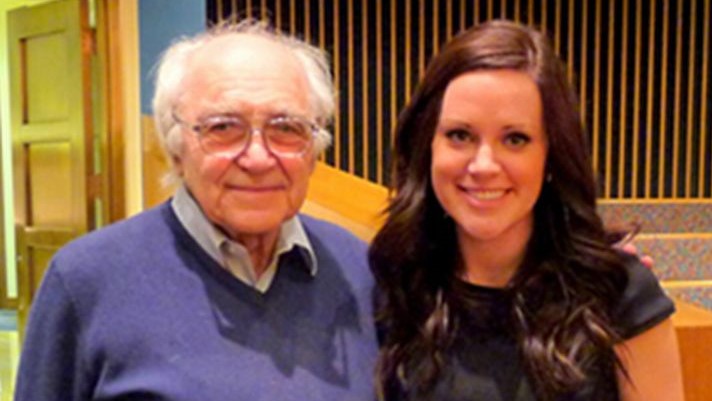
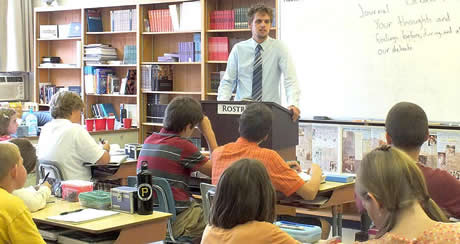
High School Teacher
- Anneke Branderhorst, 2009
-
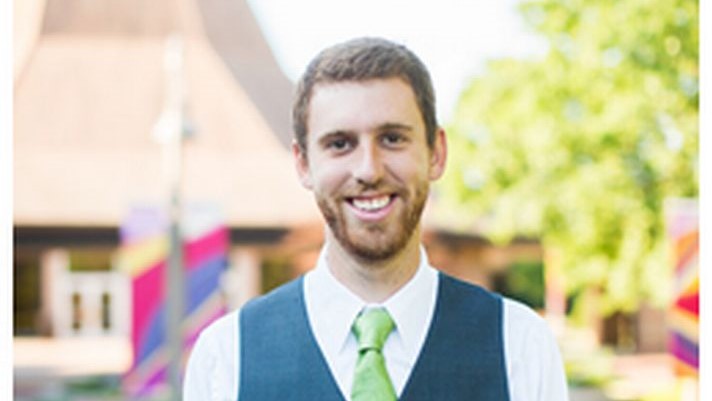
Admissions Counselor
- Paul Bylsma, 2009
-
Kent State University
- Jobadiah Christiansen, 2013
-
Editorial Assistant and Freelance Writer
- Hannah Kett
-
Non-Profit Administration
- Ashley King, 2010
-
Researcher for Law Firm
- John Zwier, 2005
-
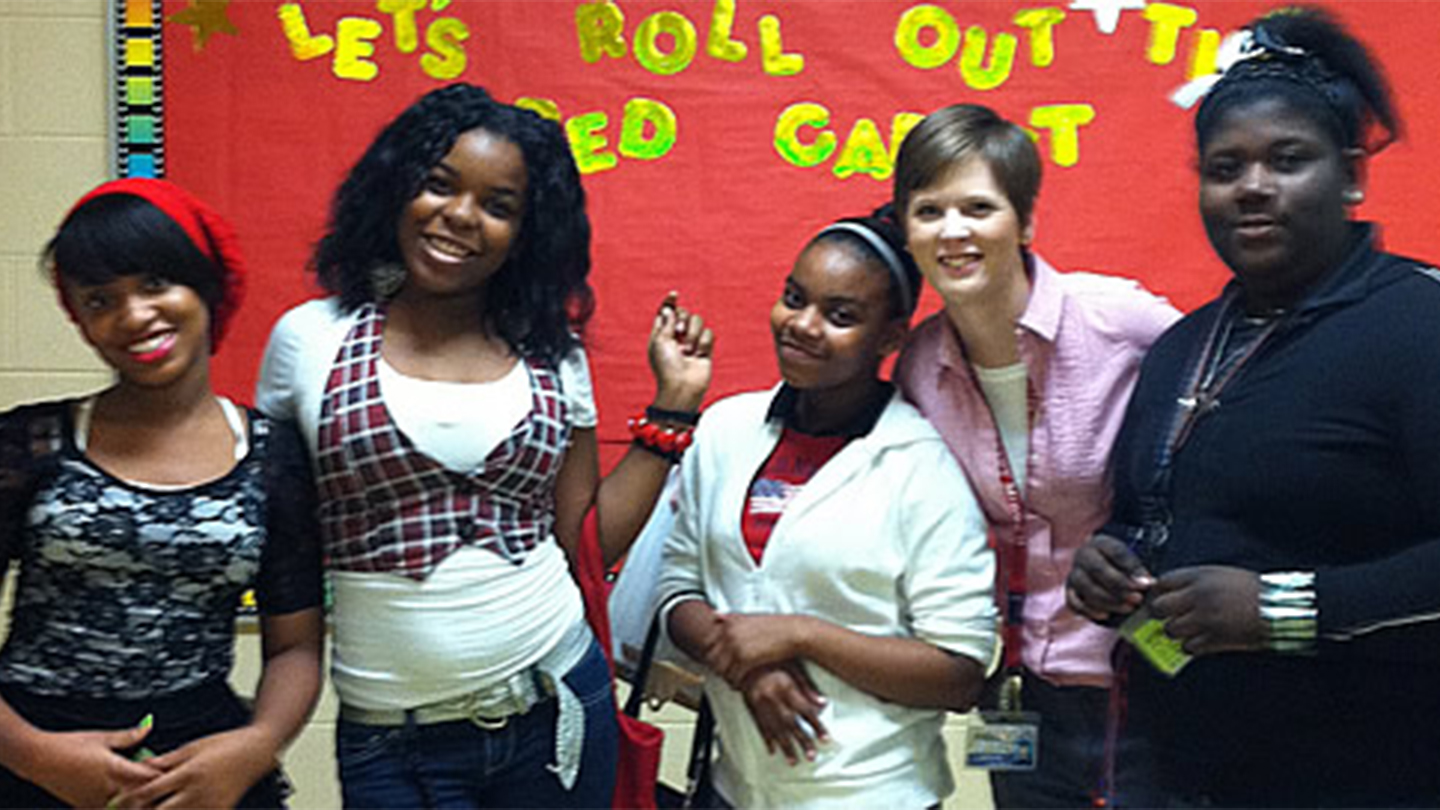
Middle School Teacher
- Josh Swieringa, 2010
-
Middle School Teacher
- Laura Vos, 2010
-
Seminary
- Jon Young, 2010
-
Mississippi River Bridge Project
- Jared Renaud, 2010



Quick Facts
Graduate school
According to a recent survey, 62% of Calvin history major alumni have gone to graduate school or are planning to go.
"My coursework at Calvin gave me a great basis for pursuing graduate study in a highly competitive program. Many of my peers in that program came from the Ivy League or other prestigious schools, and my level of preparation at Calvin was equal to if not greater than theirs.Alumni survey response
Schools attended by recent graduates
- Boston College
- Calvin Theological Seminary
- Case Western Reserve School of Medicine
- Cornell University Law School
- Grand Valley State University
- Harvard Divinity School
- Johns Hopkins University
- Michigan State University
- Northwestern University School of Law
- Ohio State University
- Purdue University
- Thomas M. Cooley Law School
- University of Chicago
Take the next step:

ACADEMIC OPTIONS
With over 100 majors and programs, you’re bound to find something you love.
Browse by category
- Arts
- Business
- Communication & Media Studies
- Education
Undergraduate education
- Birth to Kindergarten
- Pre-Kindergarten to 3rd Grade
- 3rd to 6th Grade
- Art: Pre-K to 12th Grade
- French: Pre-K to 12th Grade
- Health & PE: Pre-K to 12th Grade
- Spanish: Pre-K to 12th Grade
- Special Education Pre-K to 12th Grade
- TESOL: Pre-K to 12th Grade
- Secondary Education
- English: 5th to 9th Grade
- Math: 5th to 9th Grade
- Science: 5th to 9th Grade
- Social Studies: 5th to 9th Grade
- English: 7th to 12th Grade
- Math: 7th to 12th Grade
- Science: 7th to 12th Grade
- Social Studies: 7th to 12th Grade
- Health Sciences
- Exercise Science
- Kinesiology (Pre-professional Emphasis)
- Nursing
- One Health
- Pre-Dentistry
- Pre-Medicine
- Pre-Occupational Therapy
- Pre-Optometry
- Pre-Pharmacy
- Pre-Physical Therapy
- Pre-Physician Assistant
- Pre-Podiatry
- Pre-Veterinary
- Public Health
- Recreation Leadership
- Speech Pathology and Audiology (BA, MA)
- Master of Speech Pathology
- Theraputic Recreation
- Humanities
- Ministry
- Science, Technology, Engineering & Mathematics
- Social Sciences
- World Languages & Cultural Studies

Apply to Calvin
It all starts here! We accept applications on a rolling basis throughout the year. All completed applications receive equal consideration.
Start your journey
Visit Calvin
Find the visit option that works best for you and get a taste for life at Calvin!
Browse Visit Options Launch the virtual tour
Request Info
Learn why Calvin’s dedication to faith and discovery have earned it the rank of #3 among regional Midwest universities.
Loading...

Costs & Financial Aid
Families from all economic backgrounds—many just like yours—are making Calvin work. Scholarships, grants and loans are the tools that make Calvin possible.
Explore financial aid & Scholarships How much does Calvin cost?