Faculty & Staff
Academics / Departments & Programs / English / Faculty & Staff
Faculty

Ross Burkholder
Affiliate Professor
Full profile
- Email: ross.burkholder@calvin.edu
- Department: English
- Office: CF 273

Samantha Dine
Adjunct Professor
Full profile
- Phone: 616-526-6908
- Email: sd59@calvin.edu
- Department: English
- Office: CFAC 284
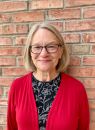
Cheryl Endean
Adjunct Professor
Full profile
- Phone: 616-526-6432
- Email: cheri.endean@calvin.edu
- Department: English
- Office: CF 286

Chad Engbers
Professor
Full profile
- Phone: (616) 526-8516
- Email: chad.engbers@calvin.edu
- Department: English
- Office: CF 280

Donald Hettinga
Professor
Full profile
- Phone: (616) 526-6520
- Email: donald.hettinga@calvin.edu
- Department: English
- Office: CF 274

Jennifer Holberg
Professor
Chair of the English Department
Co-director of the Calvin Center for Faith & Writing
Full profile
- Phone: 616-526-6598
- Email: jennifer.holberg@calvin.edu
- Office: CF 289

Jesse Holcomb
Associate Professor, Journalism and Communication
Full profile
- Phone: 616-526-6465
- Email: jesse.holcomb@calvin.edu
- Office: Covenant Fine Arts Center 278

Kristine Johnson
Associate Professor
University Rhetoric Director
Full profile
- Phone: (616) 526-7828
- Email: kristine.johnson@calvin.edu
- Office: CF 274

Lew Klatt
Professor
Full profile
- Phone: (616) 526-7530
- Email: lew.klatt@calvin.edu
- Department: English
- Office: CF 296

Sabrina Lee
Assistant Professor
Full profile
- Email: sabrina.lee@calvin.edu
- Department: English
- Office: CF 268
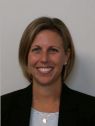
Sara Mulder
Teaching Staff
Full profile
- Phone: (616) 526-7830
- Email: sara.mulder@calvin.edu
- Department: English
- Office: CF 275

Linda Naranjo-Huebl
Associate Professor
Full profile
- Phone: (616) 526-8682
- Email: linda.naranjo-huebl@calvin.edu
- Office: CF 271

Debra Rienstra
Professor
Full profile
- Phone: (616) 526-8526
- Email: debra.rienstra@calvin.edu
- Department: English
- Office: CF 270

Amy Sonheim
Lecturer
Full profile
- Email: amy.sonheim@calvin.edu
- Department: English
- Office: CFAC 288

Doug Sonheim
Lecturer
Full profile
- Email: doug.sonheim@calvin.edu
- Department: English
- Office: CFAC 290

Libby Turows
Adjunct Professor
Full profile
- Email: libby.turows@calvin.edu
- Department: English
- Office: CFAC 276

David Urban
Professor of English
Collegiate Scholars program advisor
Full profile
- Phone: (616) 526-8646
- Email: david.urban@calvin.edu
- Department: English
- Office: CF 277

Sara Vander Bie
ESL Instructor & Academic Counselor
Full profile
- Phone: 616-526-6654
- Email: sara.vanderbie@calvin.edu
- Department: English
- Office: Spoelhof Center 360

Deborah Visser
Teaching Staff
Full profile
- Email: debbie.visser@calvin.edu
- Department: English

Jane Zwart
Professor of English
Co-director of the Calvin Center for Faith & Writing
Full profile
- Phone: (616) 526-8606
- Email: jane.zwart@calvin.edu
- Office: CF 287
Staff

Morgan Wolf
Administrative Assistant
Full profile
- Email: morgan.wolf@calvin.edu
- Department: English
Emeriti
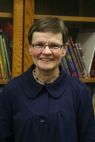
Marlys Admiraal
Adjunct Faculty
Full profile
- Email: marlys.admiraal@calvin.edu
- Department: English
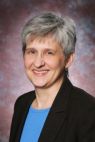
Karen Saupe
Director of the Rhetoric Center
Co-Director of RAC Program
Full profile
- Phone: (616) 526-6467
- Email: karen.saupe@calvin.edu
- Department: English
- Office: Covenant Fine Arts Center 269 | Map

Gary Schmidt
Professor Emeritus
Full profile
- Email: gary.schmidt@calvin.edu
- Department: English
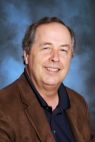
James Vanden Bosch
Professor Emeritus
Full profile
- Phone: (616) 526-6592
- Email: vand@calvin.edu
- Department: English
- Office: Covenant Fine Arts Center 292 | Map
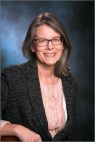
Elizabeth Vander Lei
Academic Dean
Full profile
- Phone: (616) 526-6203
- Email: bvlei@calvin.edu
- Department: English
- Office: Spoelhof Fieldhouse Complex 291 | Map
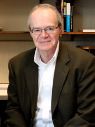
Dean Ward
Professor, Emeritus
Co-director of RAC Program
Full profile
- Phone: (616) 526-6139
- Email: dean.ward@calvin.edu
- Department: English
- Office: Covenant Fine Arts Center 267 | Map
Take the next step:

ACADEMIC OPTIONS
With over 100 majors and programs, you’re bound to find something you love.
Browse by category
- Arts
- Business
- Communication & Media Studies
- Education
Undergraduate education
- Birth to Kindergarten
- Pre-Kindergarten to 3rd Grade
- 3rd to 6th Grade
- Art: Pre-K to 12th Grade
- French: Pre-K to 12th Grade
- Health & PE: Pre-K to 12th Grade
- Spanish: Pre-K to 12th Grade
- Special Education Pre-K to 12th Grade
- TESOL: Pre-K to 12th Grade
- Secondary Education
- English: 5th to 9th Grade
- Math: 5th to 9th Grade
- Science: 5th to 9th Grade
- Social Studies: 5th to 9th Grade
- English: 7th to 12th Grade
- Math: 7th to 12th Grade
- Science: 7th to 12th Grade
- Social Studies: 7th to 12th Grade
- Health Sciences
- Exercise Science
- Kinesiology (Pre-professional Emphasis)
- Nursing
- One Health
- Pre-Dentistry
- Pre-Medicine
- Pre-Occupational Therapy
- Pre-Optometry
- Pre-Pharmacy
- Pre-Physical Therapy
- Pre-Physician Assistant
- Pre-Podiatry
- Pre-Veterinary
- Public Health
- Recreation Leadership
- Speech Pathology and Audiology (BA, MA)
- Master of Speech Pathology
- Theraputic Recreation
- Humanities
- Ministry
- Science, Technology, Engineering & Mathematics
- Social Sciences
- World Languages & Cultural Studies

Apply to Calvin
It all starts here! We accept applications on a rolling basis throughout the year. All completed applications receive equal consideration.
Start your journey
Visit Calvin
Find the visit option that works best for you and get a taste for life at Calvin!
Browse Visit Options Launch the virtual tour
Request Info
Learn why Calvin’s dedication to faith and discovery have earned it the rank of #3 among regional Midwest universities.
Loading...

Costs & Financial Aid
Families from all economic backgrounds—many just like yours—are making Calvin work. Scholarships, grants and loans are the tools that make Calvin possible.
Explore financial aid & Scholarships How much does Calvin cost?